How Titanium Alloy AMS 4911 Helps Aerospace Manufacturers
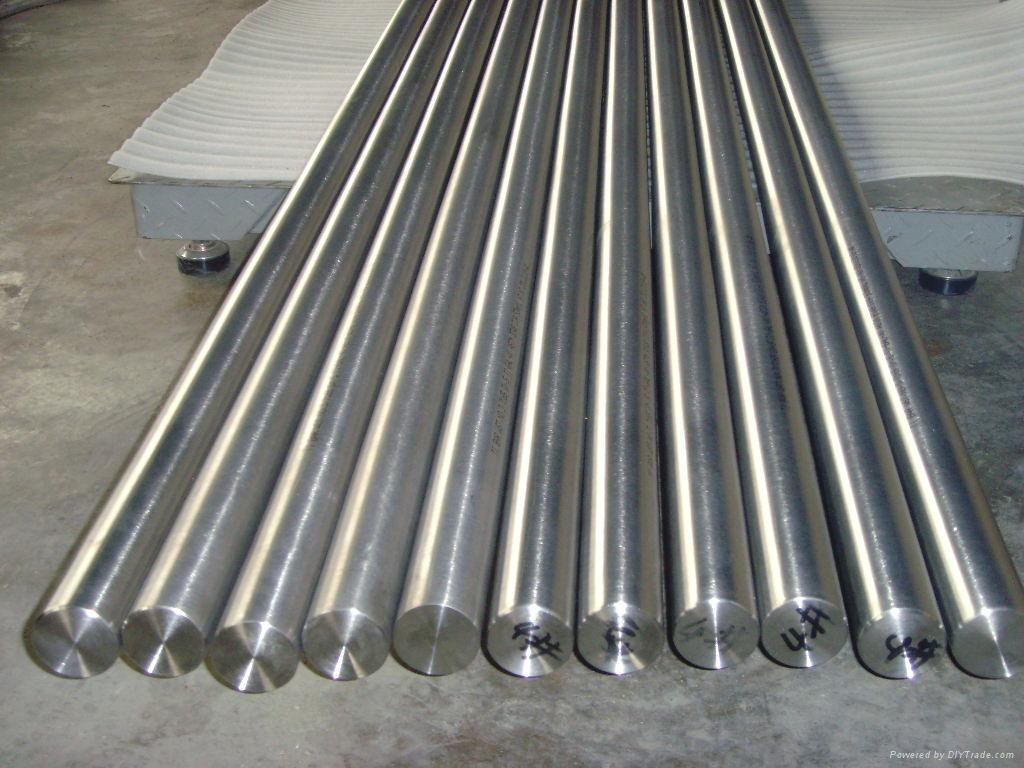
When it comes to building aircraft, every material matters. Engineers are always searching for something that is strong, lightweight, and reliable under extreme conditions. That’s where Titanium Alloy AMS 4911 comes into the picture. This high-performance material has become a go-to choice for aerospace manufacturers around the world—and for good reason.
Let’s break down what makes AMS 4911 so important and how it helps the aerospace industry push boundaries.
What Is Titanium Alloy AMS 4911?
Titanium Alloy AMS 4911 is a material specification that defines the properties of Ti-6Al-4V (Grade 5 titanium) in sheet, strip, and plate forms.
This alloy is made mostly of titanium, with small amounts of aluminum and vanadium added to improve its strength and performance.
In simple terms, AMS 4911 ensures that the titanium used in aerospace meets strict quality and performance standards. This consistency is critical in an industry where even small failures can have serious consequences.
A Perfect Balance of Strength and Weight
One of the biggest advantages of AMS 4911 is its exceptional strength-to-weight ratio. It is significantly stronger than many steels while being much lighter.
Why does this matter?
In aerospace, lighter aircraft mean:
- Better fuel efficiency
- Increased payload capacity
- Improved overall performance
By using AMS 4911, manufacturers can reduce the weight of aircraft without sacrificing strength or safety. This is a huge win for both performance and cost savings.
High Resistance to Heat and Corrosion
Aircraft operate in some of the harshest environments imaginable—from freezing temperatures at high altitudes to intense heat near engines. AMS 4911 is built to handle it all.
This alloy offers:
- Excellent corrosion resistance, thanks to a protective oxide layer
- Strong heat resistance, maintaining performance at elevated temperatures
This means parts made from AMS 4911 last longer and require less maintenance. For aerospace manufacturers, that translates into improved reliability and lower long-term costs.
Versatility in Aerospace Applications
Another reason AMS 4911 is so valuable is its versatility. It can be used in a wide range of aerospace components, such as:
- Aircraft structural parts (like fuselage panels and wings)
- Jet engine components
- Hydraulic systems
- Fasteners and brackets
Because it can be formed, welded, and machined effectively, engineers have more flexibility in design and manufacturing.
Improved Safety and Reliability
Safety is the top priority in aerospace, and AMS 4911 plays a big role in achieving it. The material is known for its fatigue resistance, meaning it can handle repeated stress without cracking or failing.
This is especially important for aircraft parts that experience constant pressure changes and vibrations during flight. With AMS 4911, manufacturers can build components that stand the test of time and reduce the risk of failure.
Consistency Through Standardization
AMS 4911 is not just about the material—it’s about the standard behind it. This specification ensures that every batch of titanium alloy meets strict requirements for:
- Chemical composition
- Mechanical properties
- Manufacturing quality
This level of consistency allows aerospace manufacturers to trust the material they are using, no matter where it comes from. It also simplifies the supply chain and ensures compliance with industry regulations.
Supporting Innovation in Aerospace
As the aerospace industry continues to evolve, materials like AMS 4911 are helping drive innovation. Whether it’s building more fuel-efficient airplanes or developing advanced spacecraft, this titanium alloy provides the performance needed for cutting-edge designs.
Its combination of strength, durability, and lightweight properties makes it ideal for modern engineering challenges. In many ways, AMS 4911 is not just supporting aerospace manufacturing—it’s enabling the future of flight.
Final Thoughts
Titanium Alloy AMS 4911 has become a cornerstone material in aerospace manufacturing. Its ability to deliver strength without added weight, resist extreme conditions, and maintain long-term reliability makes it indispensable.
From improving fuel efficiency to enhancing safety, this alloy plays a critical role in how modern aircraft are designed and built. For manufacturers looking to stay competitive and innovative, AMS 4911 is more than just a material—it’s a strategic advantage.
If you’re sourcing high-quality titanium materials for aerospace applications, working with trusted suppliers like FlightMetals ensures you get consistent, certified materials that meet industry standards.
